
Why Amsterdam Houses Lean (And Why It's Okay)
The engineering and history behind the "Dancing Houses" of Amsterdam. Are they falling over?
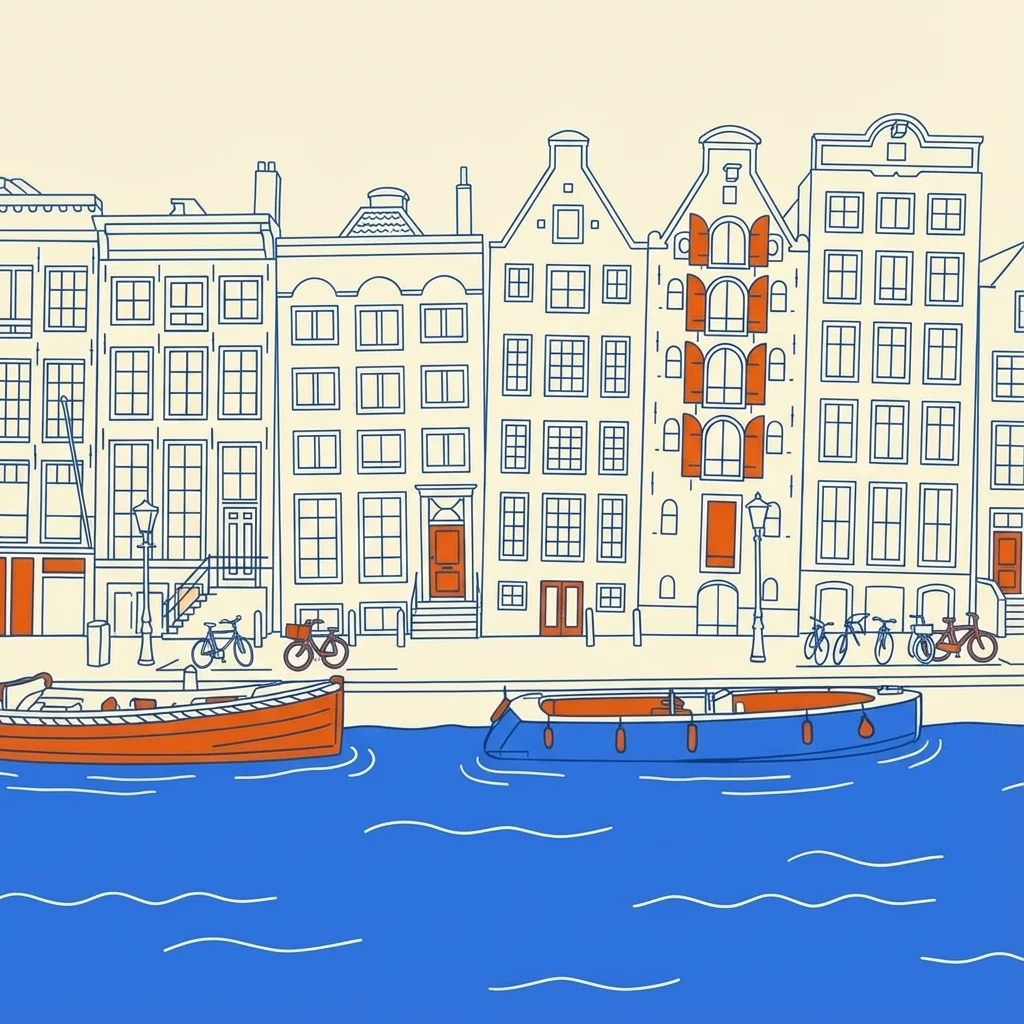
Walk down any canal and you’ll see them: the "Dancing Houses" of Amsterdam. Some lean sideways, resting on their neighbors for support. Others lean perilously forward. Are they about to fall? Probably not.
Here is the engineering (and history) behind the wobble.
1. The Swamp Beneath Your Feet
Amsterdam is built on a swamp. To keep houses stable, builders drove wooden piles deep into the ground until they hit a firm sand layer. Over centuries, water levels changed, treating piles to rot. The result? Uneven settling.
2. "Op de Vlucht" (Leaning Forward)
Not all leaning is accidental. Many houses were built leaning forward intentionally. This is called building "op de vlucht."
- Reason 1: It looks nice (perspective correction).
- Reason 2: Hoisting furniture. The hook at the top of the gable is there to lift goods up. The lean ensures the load doesn't smash into the window on the way up.
3. The Sideways Shift
This one is less intentional. When one house settles faster than its neighbor, it starts to lean. Since the houses are built tightly together in a row, they often support each other, creating that charming, crooked "dancing" effect.

Which house leans the most? There’s one specific house on the canal that holds the record. We guide you right to it in our audio tour. Find the crookedest house →
Image credit: Amsterdam Mokum Tour
🎧 Explore Amsterdam with Audio Stories. Made for bike, boat or walking.
Hear the stories behind every landmark. 200+ points of interest, 5 languages.
Get Your Access →